Projects
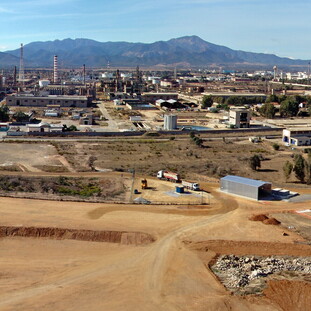
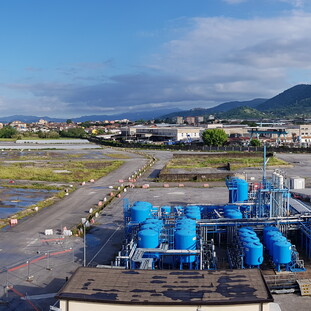
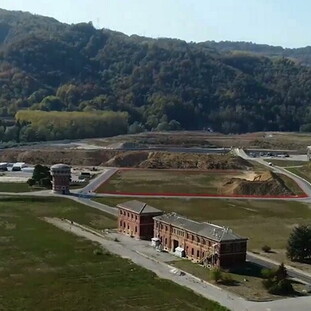
We operate in over 150 sites and we own over 3,400 hectares of land, mainly in former industrial or decommissioned sites in Italy. Most of the areas are located in Sites of National Priority.
Where we operate
We operate in over 150 sites, in company-owned areas, on behalf of Eni as well as of public and private third-party customers. In Italy, we own over 3,400 hectares of former industrial or disused areas. As of 2025, about 68% of the land owned is not contaminated or has already undergone remediation, and therefore is available for new projects. In the remaining 32%, environmental interventions are underway to enable its reuse for other initiatives mainly over the next decade. Since 2003, Eni Rewind has spent over 6 billion euros on environmental interventions, of which over 80% has been used on sites conferred by law or acquired through mergers in the 1980s and 1990s, as part of the political choice of industrial rescue operations that Eni had to take on when it was a state-owned company.
Remediation projects
Facts and figures on our remediation projects.
Total Eni Rewind areas
Percentage breakdown of Eni Rewind's areas in Italy.
Status of Eni Rewind owned land
Evolution of the status of the land owned by Eni Rewind (2025–2050): breakdown in areas dedicated to renewable energy, undergoing remediation and already remediated or non-contaminated.
2025
- 366 hectares for renewables development
- 1,953 hectares of non-contaminated/remediated areas
- 1,110 hectares undergoing remediation activities
2030
- 760 hectares for renewables development
- 1,958 hectares of non-contaminated/remediated areas
- 711 hectares undergoing remediation activities
2050
- 1,293 hectares for renewables development
- 2,135 hectares of non-contaminated/remediated areas
Sites of National Priority
The Sites of National Priority (SIN) have been identified and delimited by ministerial decree since 1998, in agreement with the institutions involved. The Environmental Code (art. 252 of Legislative Decree no. 152/2006 and subsequent amendments) defines that "the Sites of National Priorities, for the purposes of remediation, can be identified in relation to the characteristics of the site, the quantity and hazardousness of the pollutants identifies, to the detection of the impact on the surrounding environment in terms of health and ecological risk, as well as damage to cultural and environmental heritage". The administrative procedure for the remediation of Sites of National Priority is a responsibility of the Ministry of the Environment.


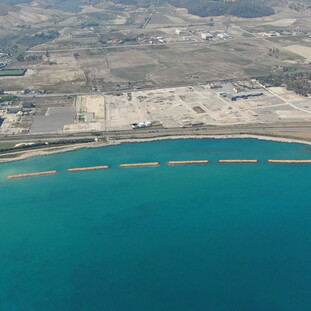
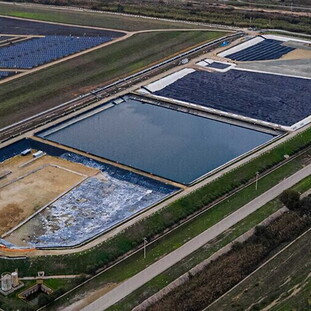
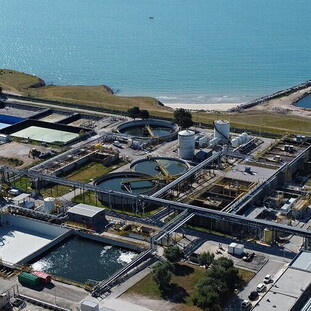
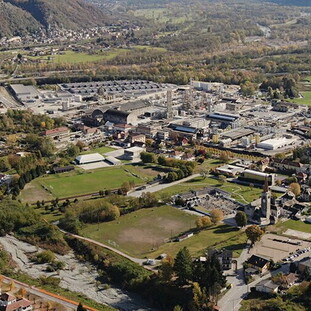
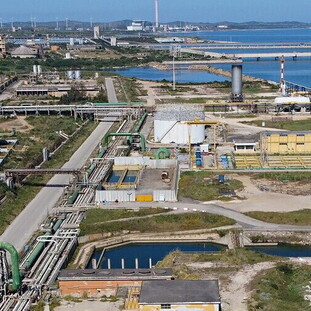
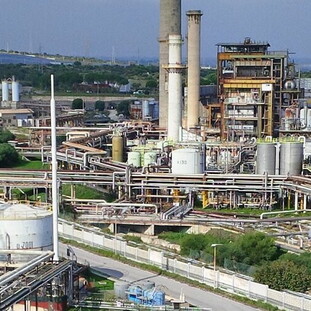
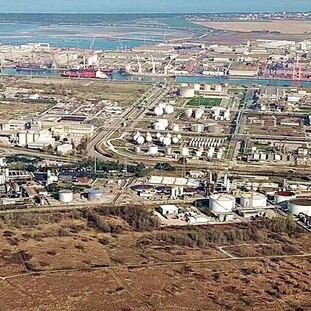
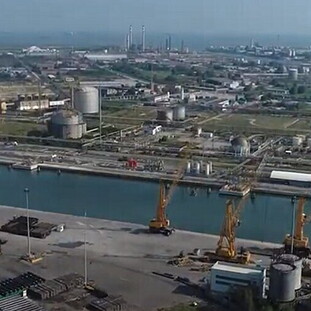
Our sites
Keep on reading
Discover other sites.