
Our environmental interventions in Priolo
At the multi-company site, we are engaged in soil and groundwater remediation interventions on our areas and by mandate for the co-located companies.
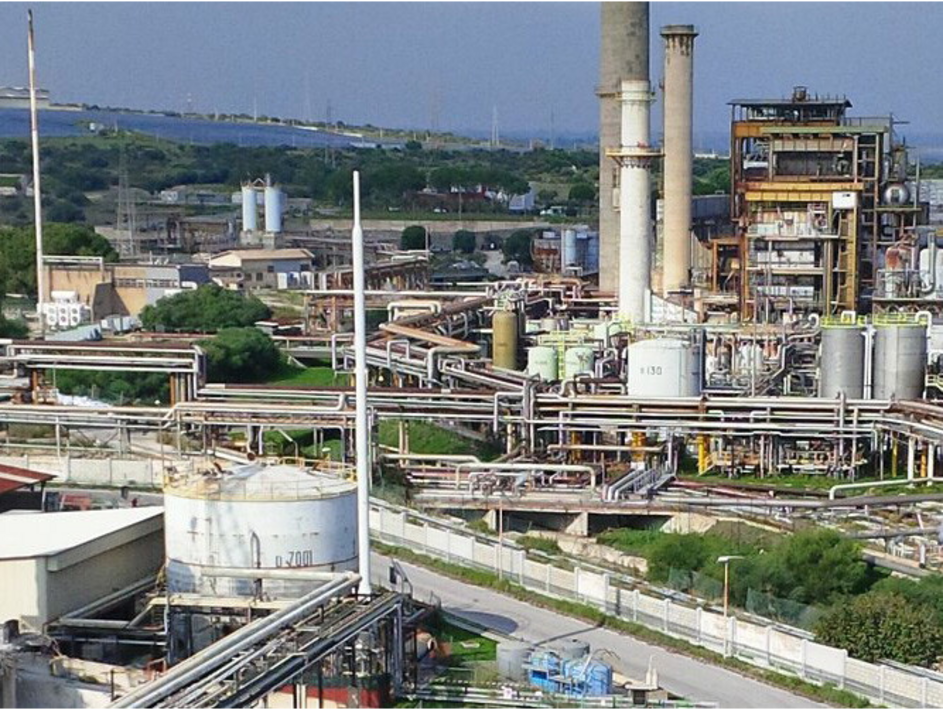

Remediation technologies at the service of the multi-company Priolo site
Priolo: key elements

Remediation and sustainability
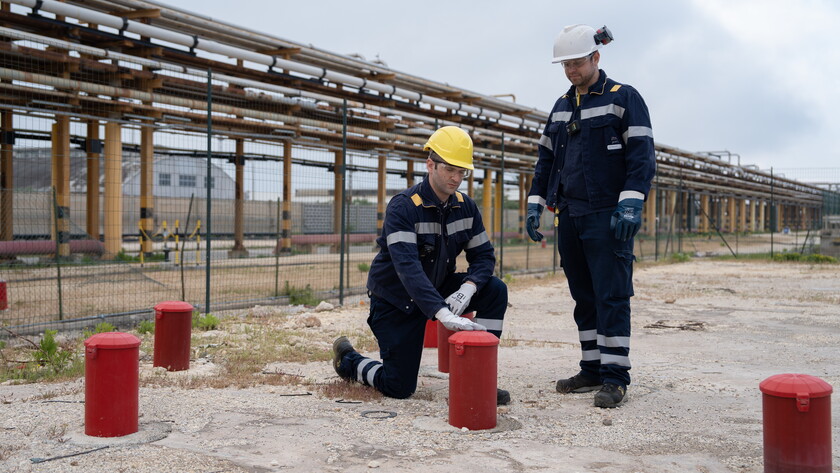
For Priolo’s remediation we adopt an operational approach oriented towards the application of on-site and in situ technologies, minimising the impact of our interventions

Safeguarding of water
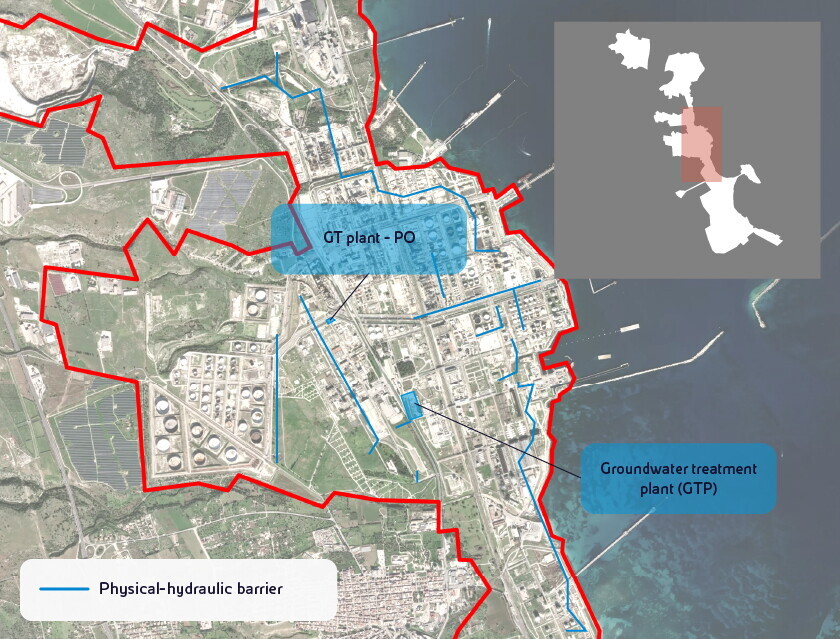
The water treated at Priolo’s groundwater treatment plant is demineralised and reused in the production processes and plants at the multi-company hub, with a circular economy approach.
Priolo at a glance
 Location: Italy, Sicily
 Start of the environmental interventions: 2002
Priolo past and present
Site history
Start of the environmental process
In 2001, characterisation activities on the site began, and the following year Eni’s co-located companies began emergency safety measures and remediation designing.
Eni acquires the Montedison group’s assets
Following the Enimont operation, the Eni group entered the site through Enichem, which acquired the base and intermediate chemical plants as well as the refining facilities from Montedison.
The Priolo Gargallo industrial hub is created
Since its origin, the petrochemical hub has seen a significant expansion, marked by various corporate and operative directions, in the oil refining and derivatives processing sector.
Our activities in Priolo
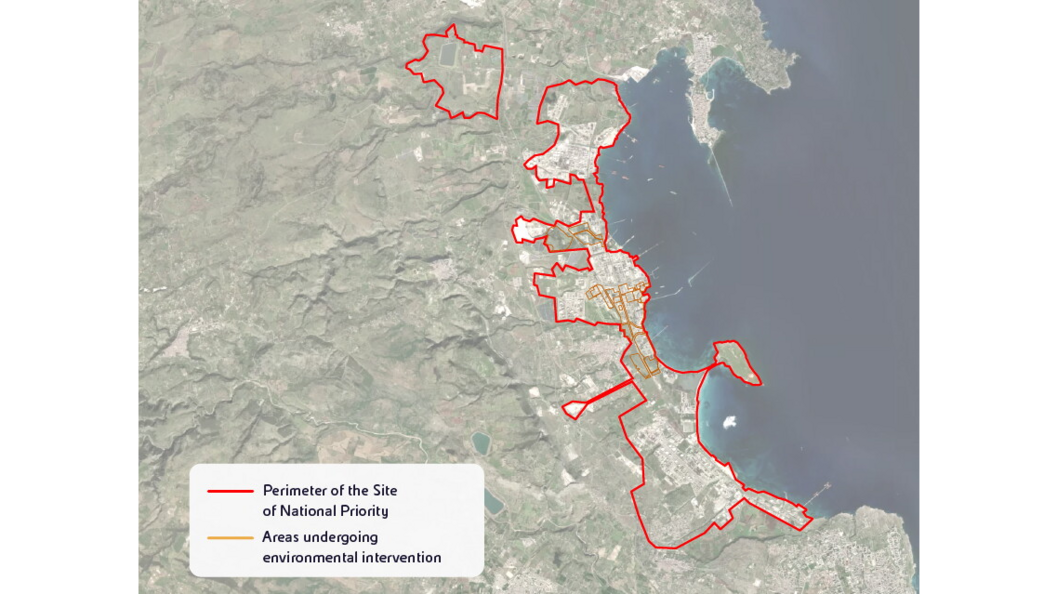
The Priolo Site of National Priority
Status of the environmental process
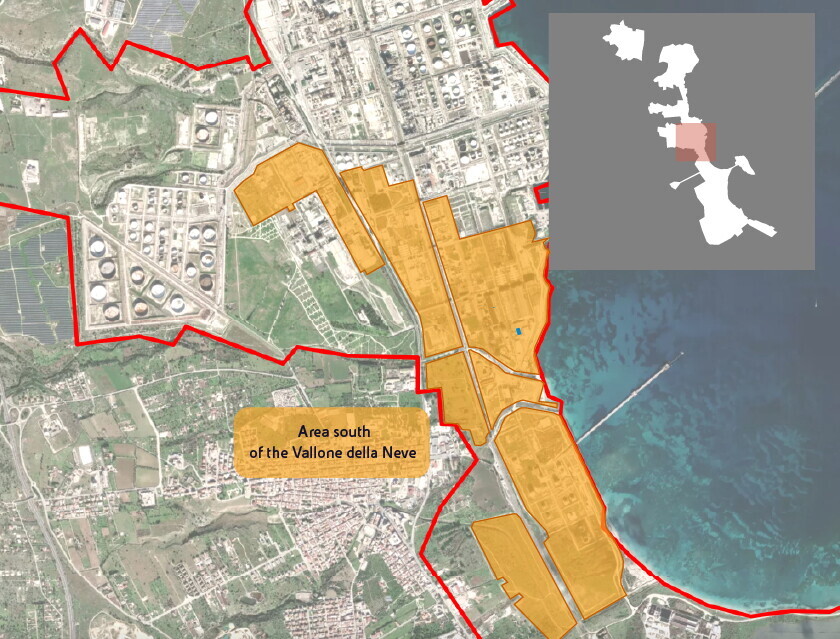
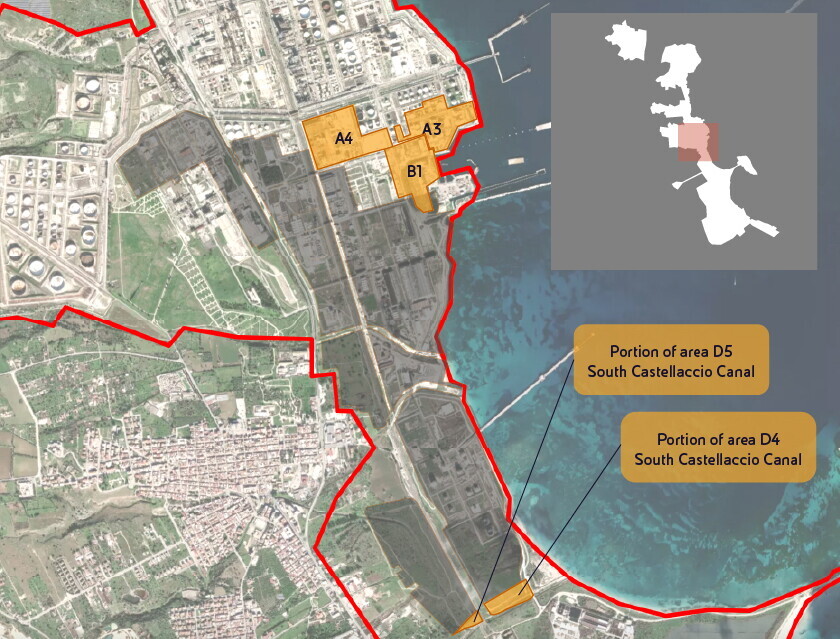
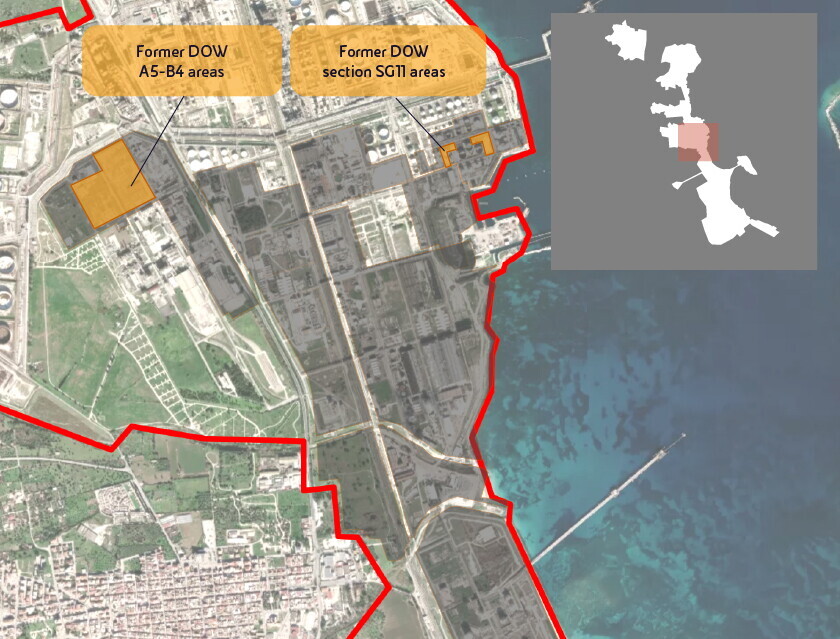
Starting from 2003, Eni's environmental company has submitted soil and groundwater remediation projects, some of which obtained authorisation by ministerial decree and are ongoing, while others are currently undergoing preliminary investigations.
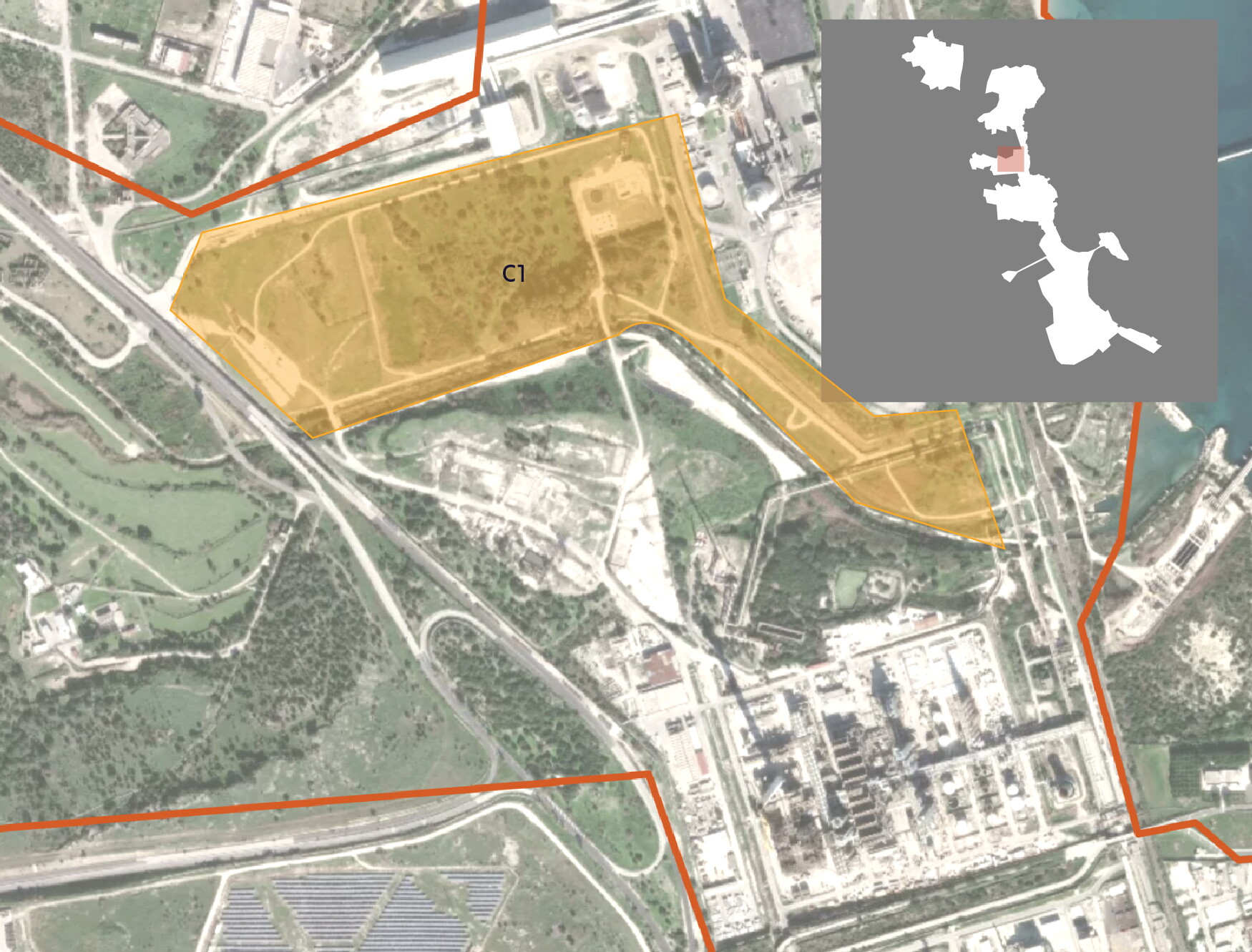
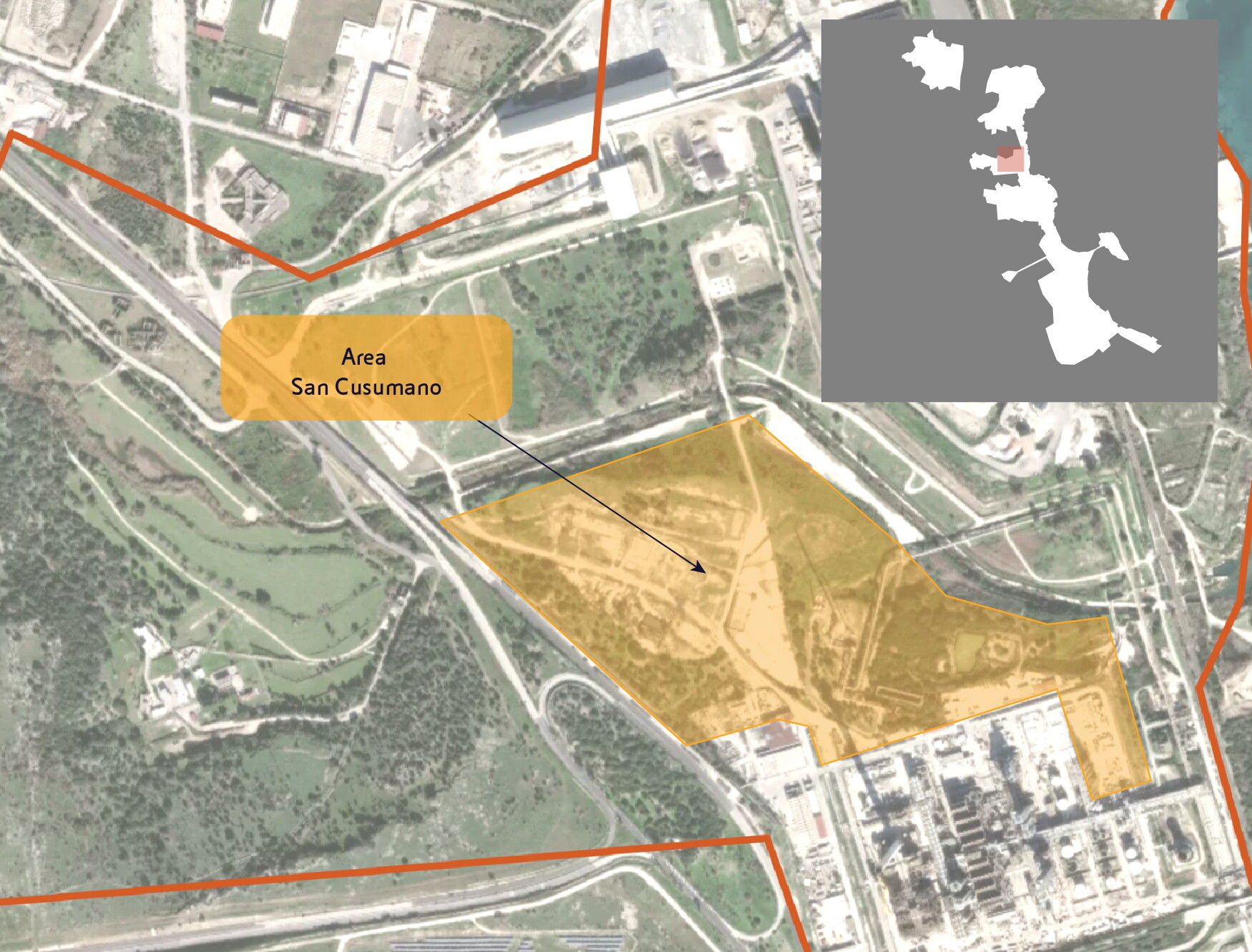
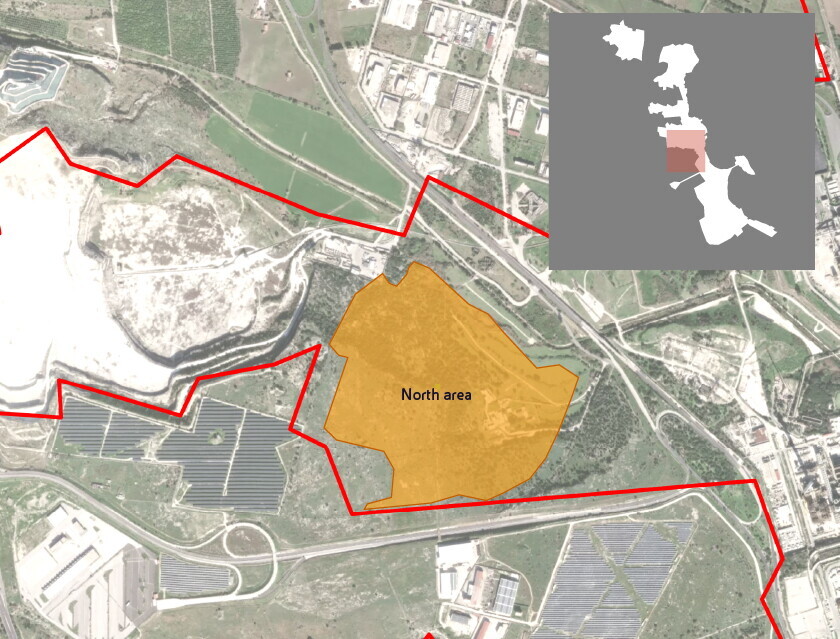
Project approved
The definitive soil remediation project for the groundwater treatment plant (GTP) area was approved by interministerial decree in 2004 and amended in 2007 with authorisation for the construction of the water treatment plant.
The definitive groundwater remediation project for the entire multi-company site was authorised in 2004 by interministerial decree.
The project variant was approved in 2021.
The single multi-company groundwater monitoring protocol for the site was approved by the authorities in 2016.
Procedure undergoing preliminary investigation
Project approved. Variant undergoing preliminary investigation
Procedure undergoing preliminary investigation
Project approved
Procedure undergoing preliminary investigations
Procedure undergoing preliminary investigations
Risk analysis document submitted in 2017, currently updating through the implementation of soil-gas surveys for the subsequent start of the preliminary investigation process.
Project approved
Administrative process finalised
Sustainable remediation solutions
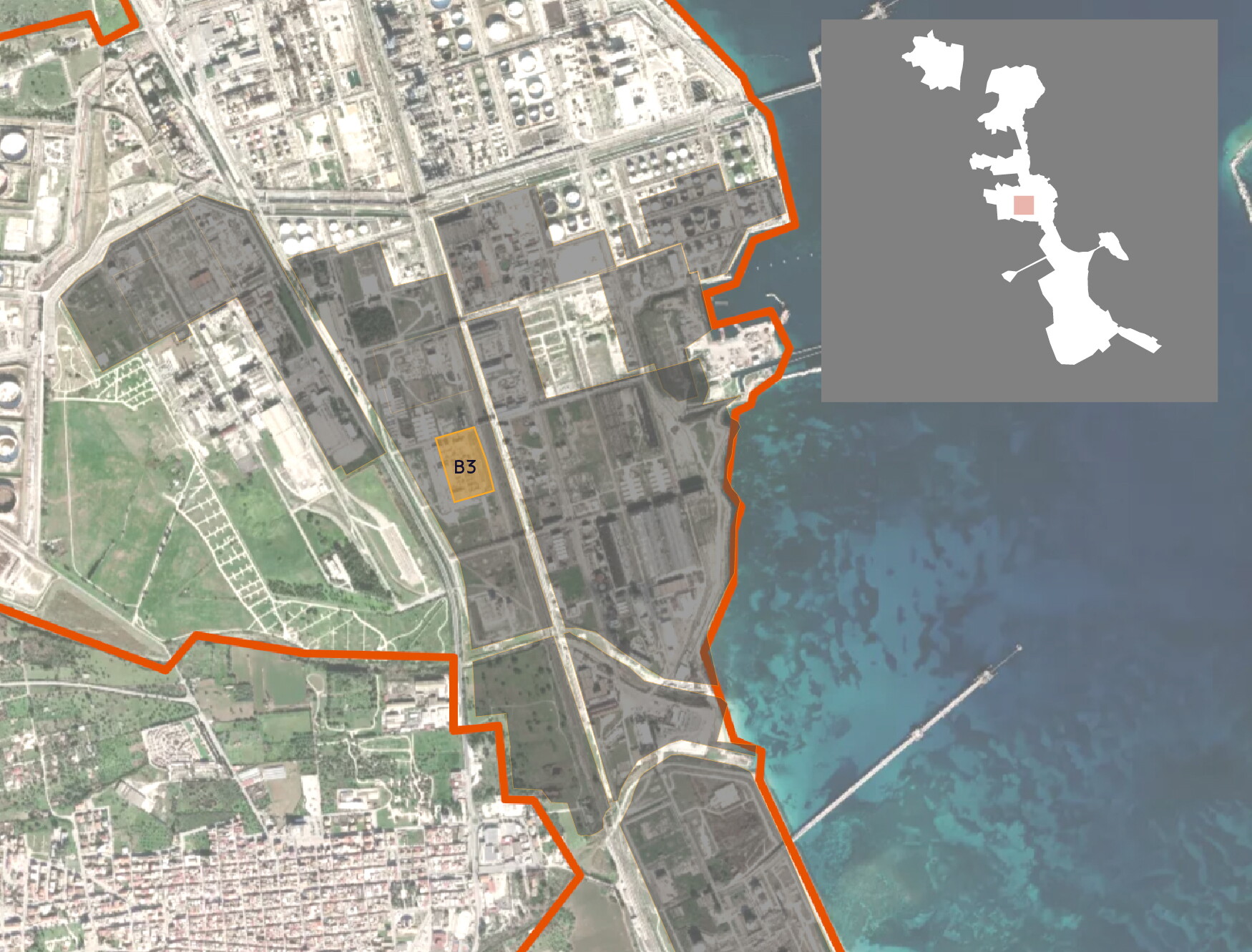
The areas south of the Vallone della Neve at Priolo’s site cover a total of approximately 196 hectares, of which around 26.8 are “non-compliant”. For soil remediation, following the top-soil removal intervention, we are applying the most advanced in-situ technologies aimed at treating contamination directly in the environmental matrix, including ISCO (In Situ Chemical Oxidation), TPE (Two Phase Extraction) with thermally assisted vapour extraction and Soil Flushing. Following the interventions already completed, approximately 21.5 hectares can be released. In Area B3, we are also carrying out soil remediation using the Soil Vapour Extraction technology.