Our environmental activities at Ravenna
From a historic petrochemical hub to a concrete example of circularity thanks to a project that gives new life to reclaimed areas.

Ravenna, from remediation to productive redevelopment
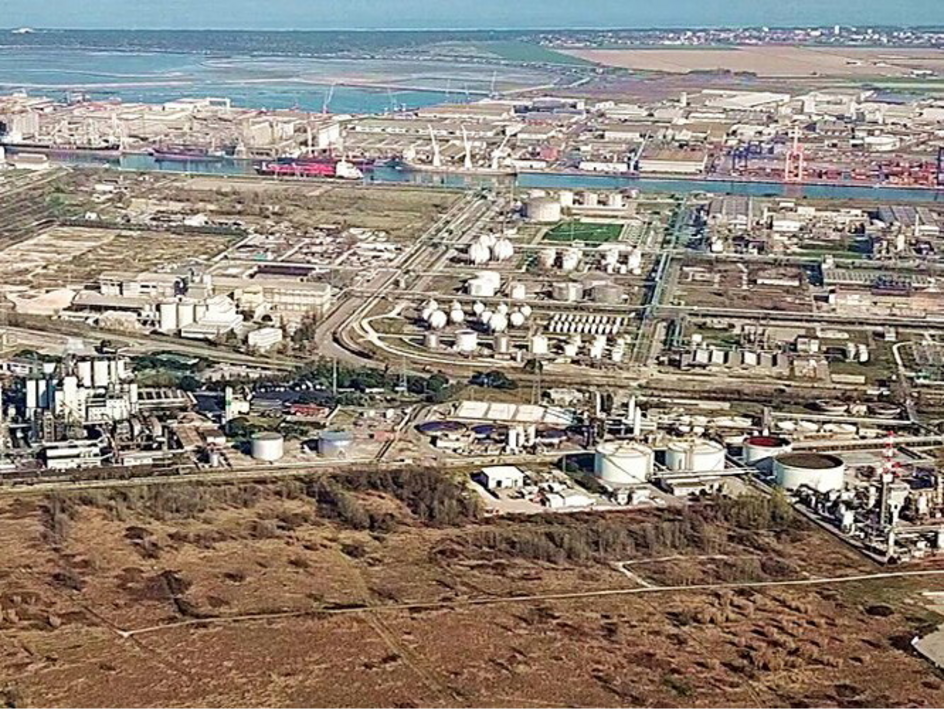
The Ravenna complex, which dates back to 1954 when ANIC built the country's first synthetic rubber factory, is still a production site where various Eni companies are active in the production of natural gas from offshore platforms, the development of Italy's first project for the capture and storage of CO₂, energy production with Enipower, and the manufacturing of elastomers with Versalis. In this context, as Eni Rewind, we are engaged in the remediation of all internal and external areas decommissioned over the years, as well as in the productive redevelopment of the Ca’ Ponticelle area, which today hosts the Ravenna Environmental Hub, a new integrated centre for the management and recovery of remediated soil and the valorisation of industrial waste. As of 31 December 2025, we incurred costs of €176 million for our areas.
Ravenna at a glance
 Location: Italy, Emilia-Romagna
 Start of the environmental interventions: 1997
Ravenna past and present
Site history.
Eni Rewind becomes owner of the disused areas
Polimeri Europa (Versalis) acquired the production of styrenics, elastomers, olefins and intermediates from Enichem and Eni Rewind became the owner of all the disused internal and external areas.
Enipower enters the plant
The power plants and related services are sold to Enipower.
Remediation interventions begin
Enichem begun the first environmental interventions in Ravenna.
The industrial scenario at the plant begins to change
The Agricoltura business unit is transferred to Hydro Agri Italia, vinyl acetate to Vinavil, diphenols to Borregaard, later CVM/PVC to EVC, while TAS and the cement plant are transferred to Ambiente.
The trasfer to Enichem
The activities passed from Anic to Enichem.
Production expansion
The production of PVC, acetates and fine chemicals (DMC) was added in the 1960s.
The Ravenna petrochemical complex is established
The origin of the Ravenna complex dates back to 1954 when Enrico Mattei entrusted ANIC with the construction of the first synthetic rubber factory in Italy.
Our activities at Ravenna
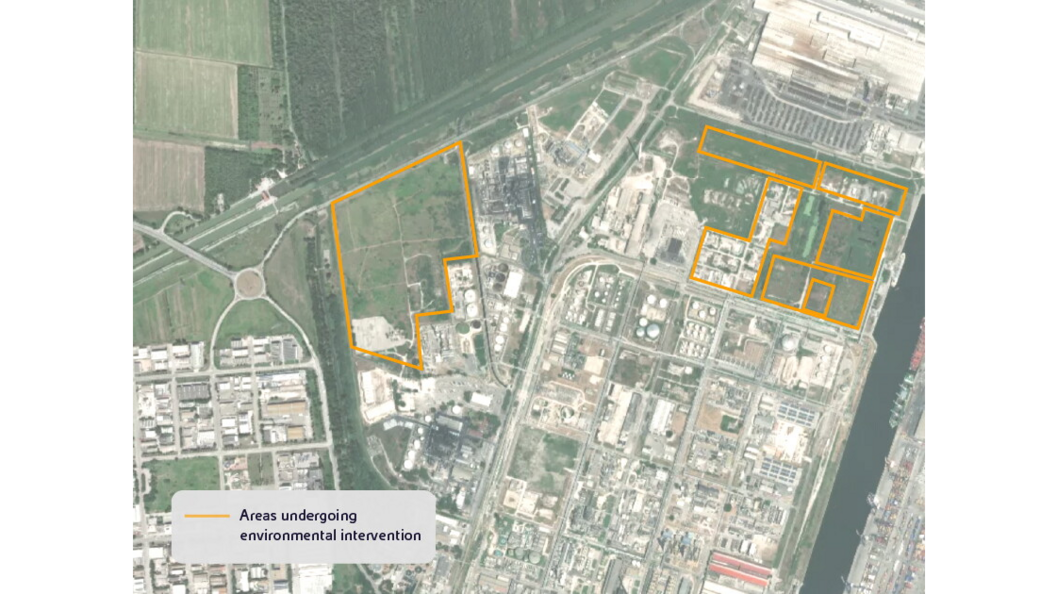
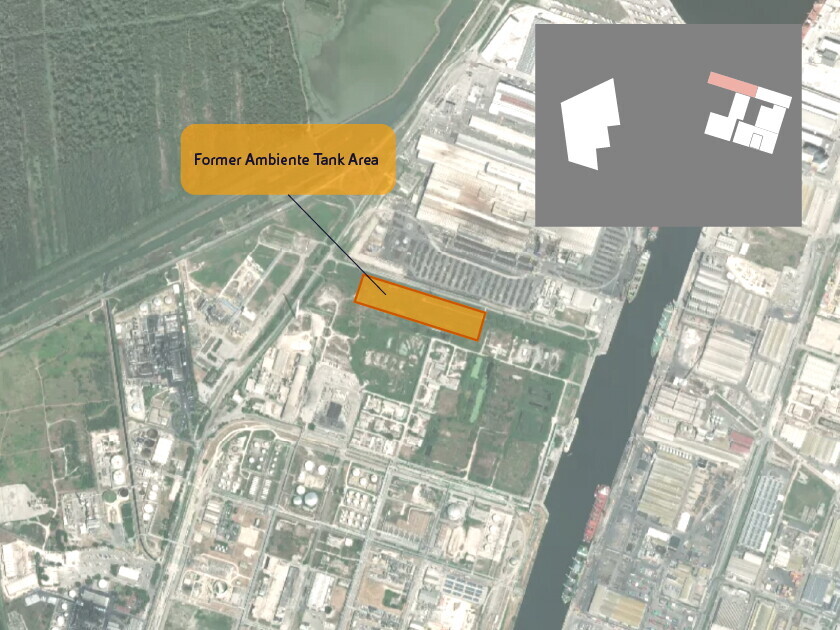
At Ravenna, we are carrying out the remediation and productive redevelopment of former industrial areas and outdated plants. For the internal areas, in 2026 we completed permanent safety measures at the former Ambiente Tank Area and operative safety measures at the Enterprise Area. The other internal areas (Cumuli ex Island 25 and TAC tanks and ponds) have already received remediation certification and are being assessed for new development initiatives.
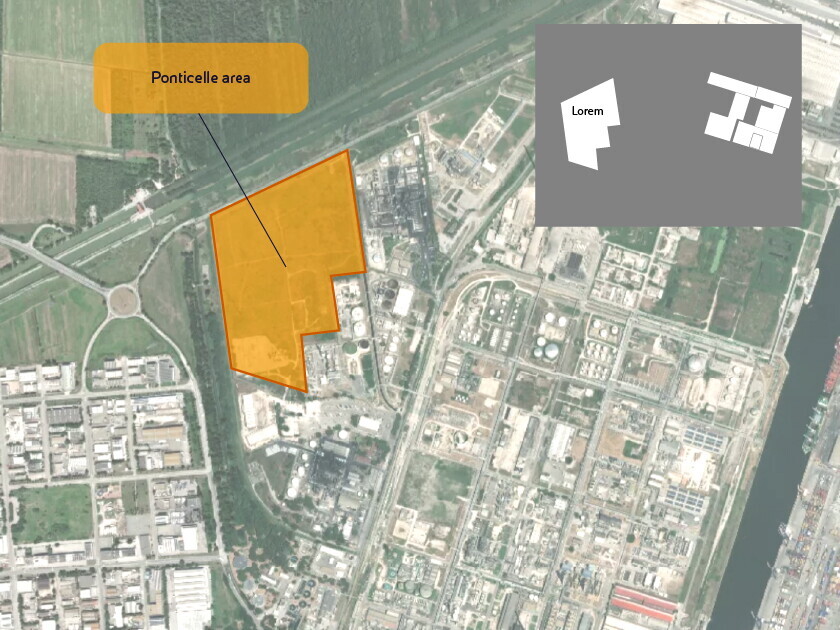
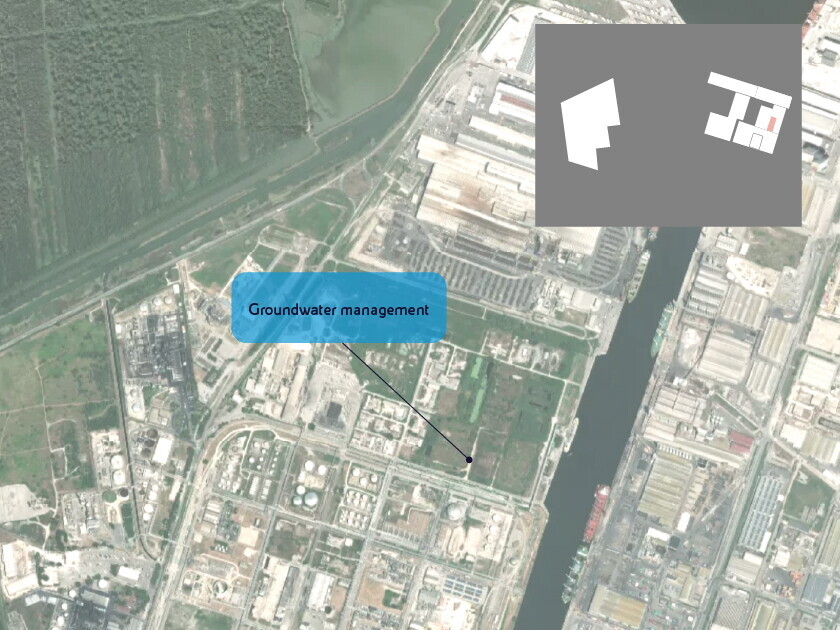
In the Ponticelle external area we have completed hot spots removal and the permanent safety measures in preparation for the works involved in the productive redevelopment plan. On the site, we also manage remediation activities on behalf of other Eni companies. A separate environmental procedure was carried out for the site's groundwater, managed by Ravenna Servizi Industriali for all the co-located companies, which led to the remediation plan and permanent safety measures for the surface groundwater under the multicompany site area (former Enichem plant).
Ravenna’s complex
Status of the environmental process
The administrative procedures for environmental activities in the areas owned by Eni Rewind are all completed and obtained the relevant municipal certification.
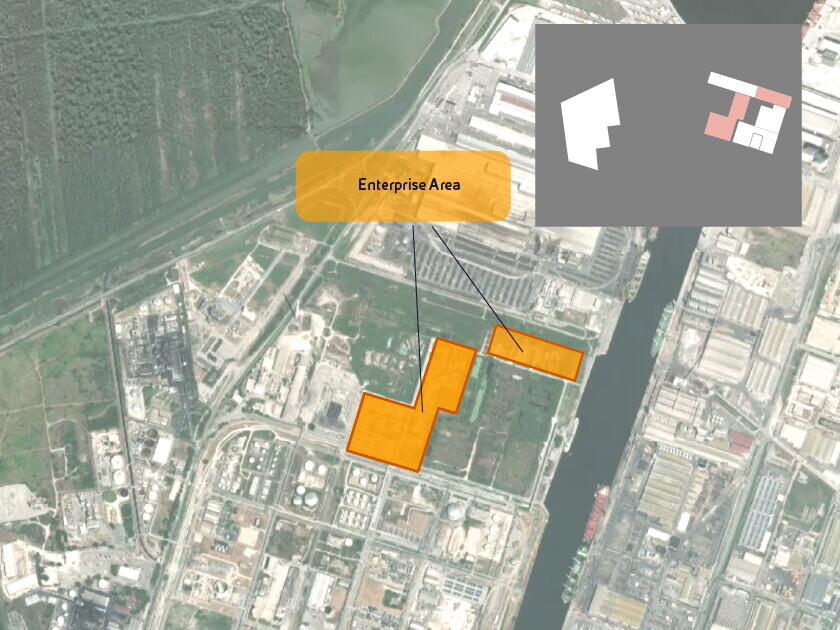
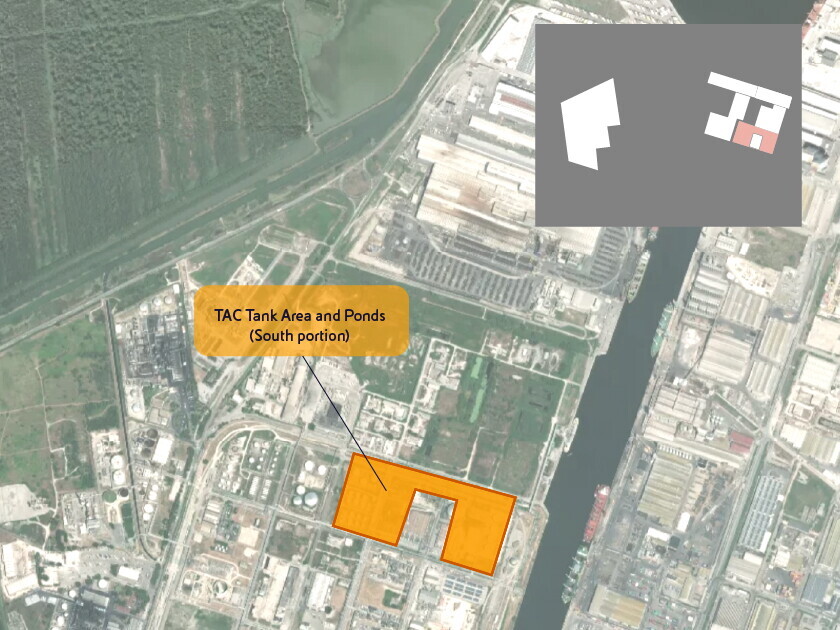
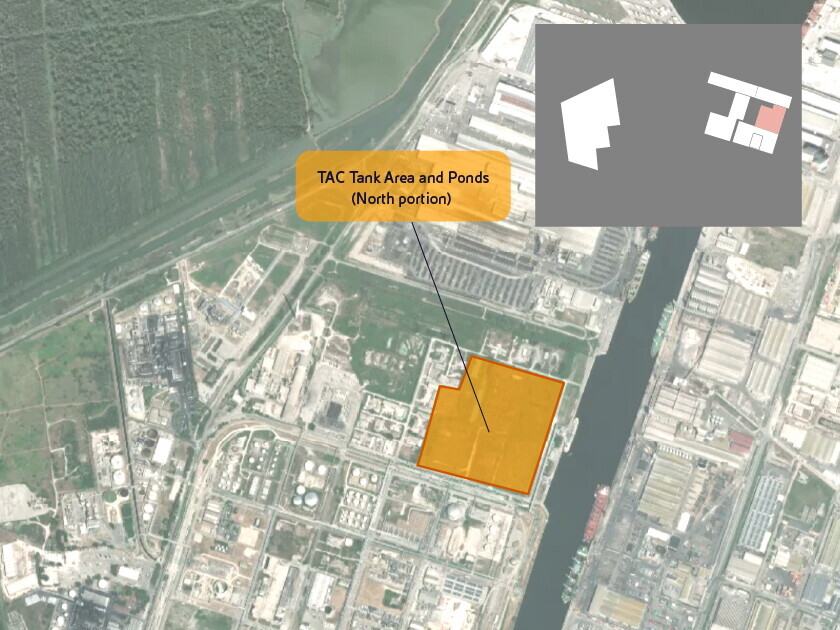
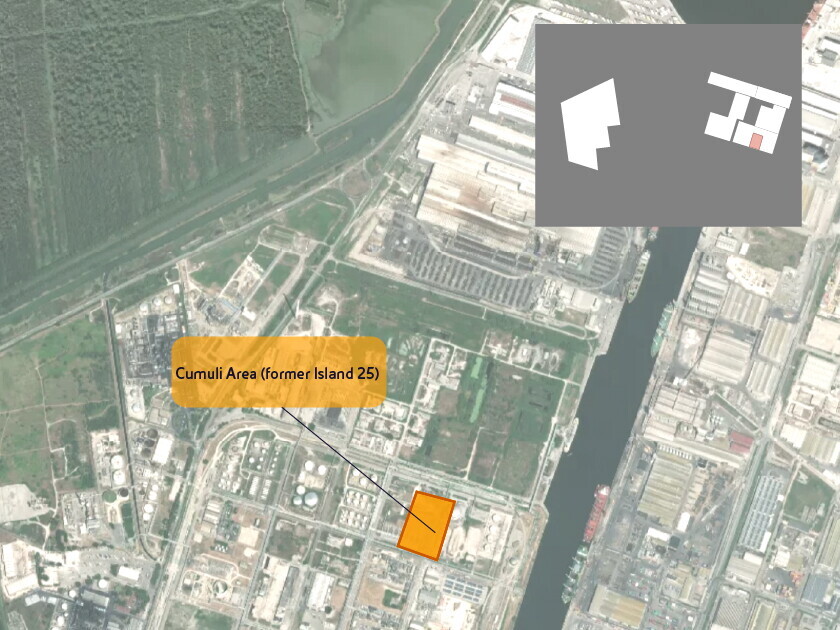
Project approved
Project approved
Project approved and certified
Project approved and certified
Project approved and certified
Project approved and certified
The operative remediation project was approved by the Municipality of Ravenna in 1999.
Variation to the operative remediation project for sediment and soil in the Ponticelle area, Phase II – 1st excerpt – Disposal of above-ground deposits approved by the Municipality of Ravenna in 2015.
Variation to the operative remediation project for sediment and soil in the Ponticelle area, Phase II – 2nd excerpt – permanent safety measure operations approved by the Municipality of Ravenna in 2018.
Certification of completion of the permanent safety measure operations issued in 2021 by ARPA Emilia-Romagna.
Project approved
Operative project for the remediation and safety measures of the surface aquifer subjacent to the multi company Ravenna site area (former Enichem plant) authorised by the Municipality of Ravenna in 2009.
Ravenna Environmental Hub: the recovery and redevelopment of a former industrial area
Established in 2019 and named Ponticelle Project from the outdated industrial area external to the Ravenna petrochemical plant, the Ravenna Environmental Hub is today a tangible example of how remediation can add value to the territory, the industry and the local communities. As the site owner, at first Eni Rewind completed the permanent safety measures (MISP) with the capping on 18 of the total 26 hectares of the area, which led to undertaking a complex productive redevelopment project.
Today, the Ca' Ponticelle area hosts an integrated multifunctional hub that combines environmental remediation, industrial competitiveness and innovation, while contributing to reduce the lack of infrastructure for the management of hazardous waste, particularly of that resulting from environmental and industrial activities.
The Hub includes an Eni Rewind bioremediation plant for soil contaminated by hydrocarbons from environmental activities and a multifunctional HEA platform for the treatment and recovery of industrial waste. A 6 MW Plenitude photovoltaic plant has also been operational since 2024, which in 2026 was integrated with experimental vanadium flow energy storage systems. Works for urbanisation and further services have also been completed in the area.
The Hub infrastructures
- Eni Rewind soil bioremediation plant
Built and operated by Eni Rewind, the plant remediates hydrocarbon contaminated soil from environmental recovery activities and can process up to 80,000 tons per year. The treatment relies on an aerobic biodegradation process that harnesses indigenous microorganisms (bacteria and fungi) to enable the decontamination of soil. The goal is to reuse treated and decontaminated soil (end of waste) as backfill in other sites, reducing landfill disposal and the need to extract virgin materials from quarries.
The plant, which spreads across 3 hectares, also includes a LabAnalysis laboratory for conducting analytical checks on the conformity of the waste entering the plant and for periodic monitoring surveys on bioremediation processes, as well as on the post-treatment materials (end of waste) for its reuse.
- The HEA multifunctional platform for the management of industrial waste
Built with Herambiente by establishing the joint venture HEA (Hera and Eni for the Environment), it’s a cutting-edge platform for the pretreatment, recovery and management of special waste in liquid and solid form, from productive and remediation activities. This significant synergy will contribute to reach self-sufficiency at regional level, optimising waste recovery and valorisation as secondary materials as well. The platform can process up to 60,000 tonnes per year of special waste from environmental and industrial activities, in particular local ones, in line with the European directives of the Circular Economy Package. The platform, divided into multiple lines, allows for complex operations – from storage, to shredding, mixing, and repackaging – with the primary goal of maximising material and energy recovery while reducing waste disposal. The platform replaces the long-standing HASI (Herambiente Servizi Industriali) storage platform in Ravenna, introducing more advanced technologies to handle the operational requirements of the Eni group and the industry.
- The Plenitude photovoltaic plant
Up and running since 2024, the plant has an installed capacity of 6 MW and covers an area of 11 hectares. It is made up of over 10,000 photovoltaic panels mounted on special structures equipped with a solar tracking system, which are fixed on ballasts placed over the waterproof capping of the permanent safety measures works. In 2026 it was integrated with experimental vanadium flow energy storage systems. When fully operational, the photovoltaic plant can produce the energy equivalent to the requirements of over 3,000 families.