Our environmental activities at Manfredonia
We are about to complete a complex remediation project, which stands out for innovative and sustainable groundwater management.
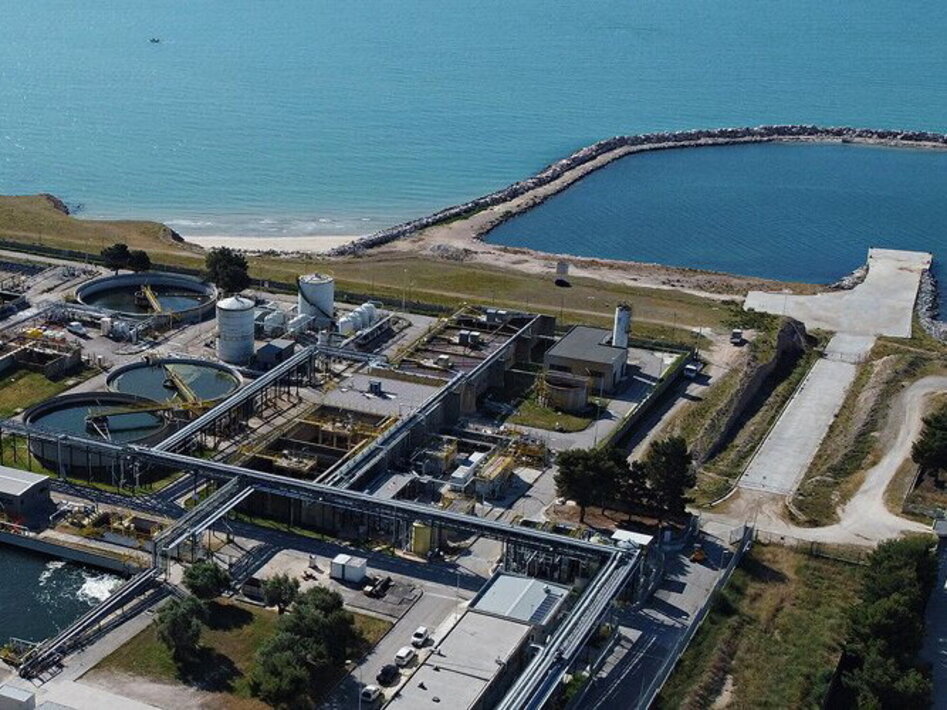

Manfredonia, innovation and commitment towards recovery
Manfredonia: key elements

Area valorisation
To date, 94.6 of the 96 hectares owned in Manfredonia are already available for new development initiatives.

Water conservancy
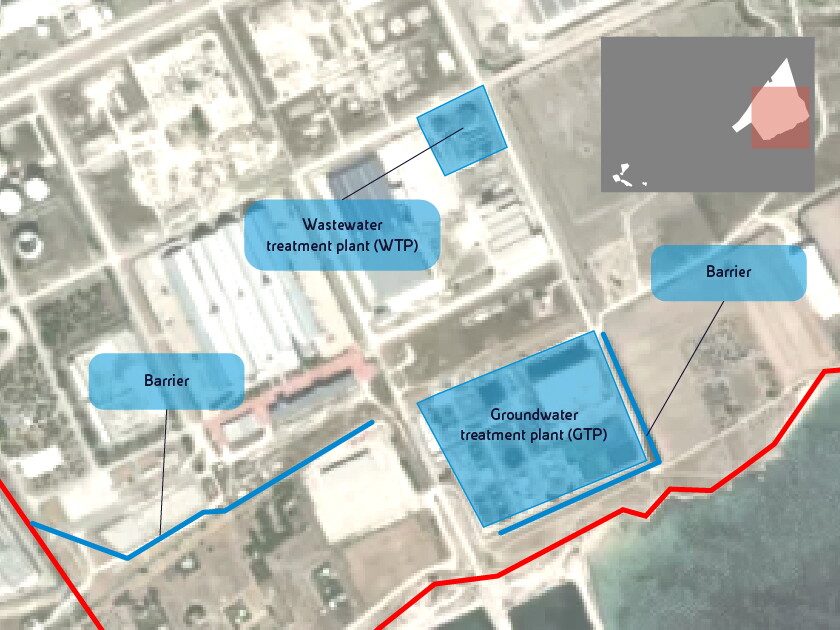
The solution adopted for aquifer remediation integrates the need to manage saline intrusion with the maintenance of hydrogeological balance through the reintroduction of water into the aquifer.

Remediation and innovation
The application of in situ Ground Circulation Wells technology also enables to accelerate groundwater remediation by removing immobilised contaminants from unsaturated soil.
Manfredonia at a glance
 Location: Italy, Puglia
 Start of the environmental interventions: 1999
Manfredonia past and present
Site history
Start of the remediation process
In 1998 the Site of National Priority was identified and the following year Enichem began the remediation process.
Progressive closure of the activities
Since 1976, following an explosion in the ammonia-urea plant, production was gradually ceased until the caprolactam and fertiliser plants closed between 1988 and 1994.
Anic becomes the sole owner of Chimica Dauna
Anic acquired 50% of the shares owned by Snia Viscosa. Chimica Dauna is then merged into Anic Agricoltura (later Enichem Agricoltura).
Expansion of productive activities
The company Chimica Dauna, owned 50% by Anic and 50% by Snia Viscosa, established the plants for the production of caprolactam, ammonium sulfate, and other derivatives.
With Anic the petrochemical site is established
The Manfredonia and Monte Sant’Angelo petrochemical plant was founded in 1968 by Anic for the production of fertilisers.
Our activities at Manfredonia
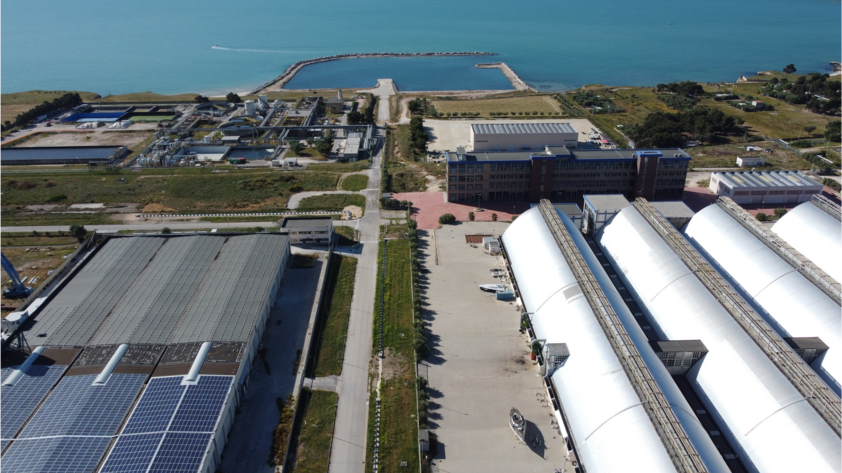
The Manfredonia Site of National Priority

Status of the environmental process
The administrative procedure for environmental activities in the areas owned by Eni Rewind has concluded with the issuance of ministerial decrees for all the remediation projects submitted.
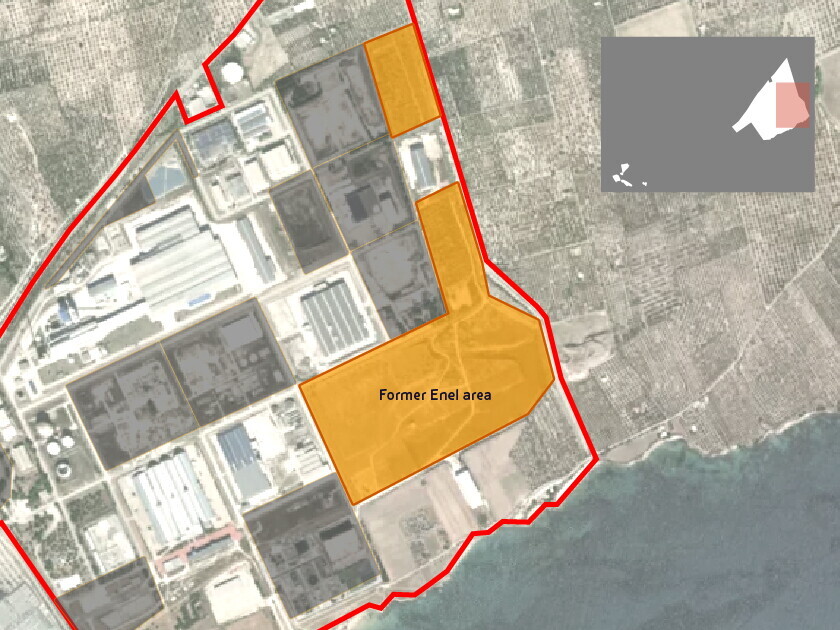
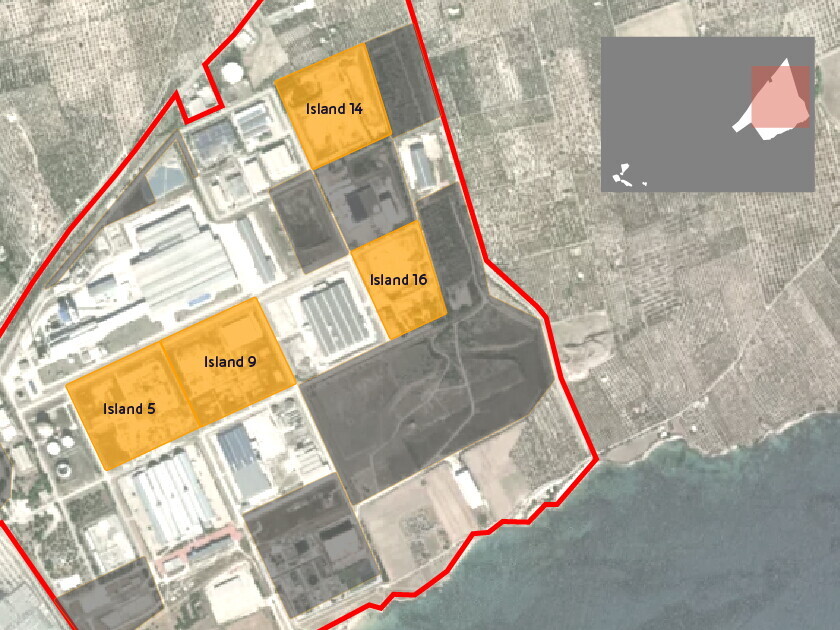
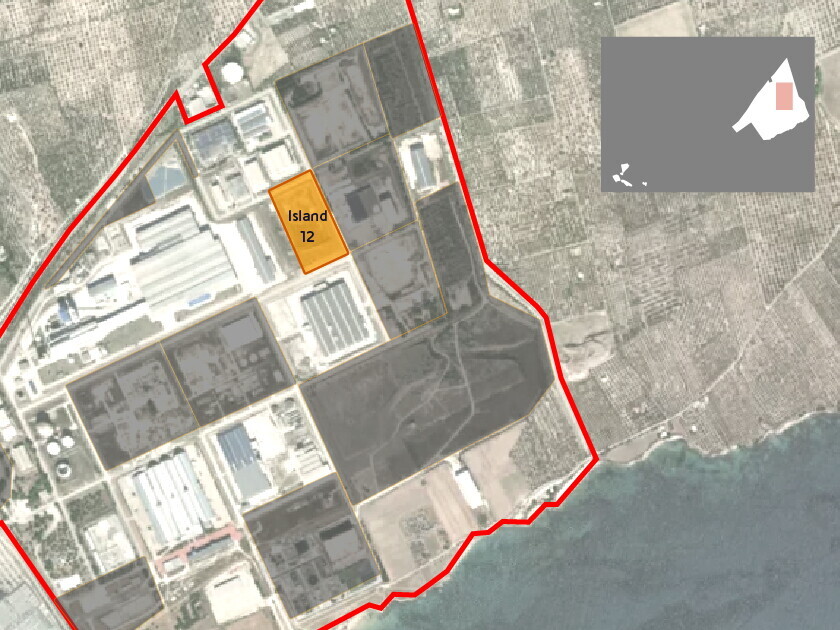

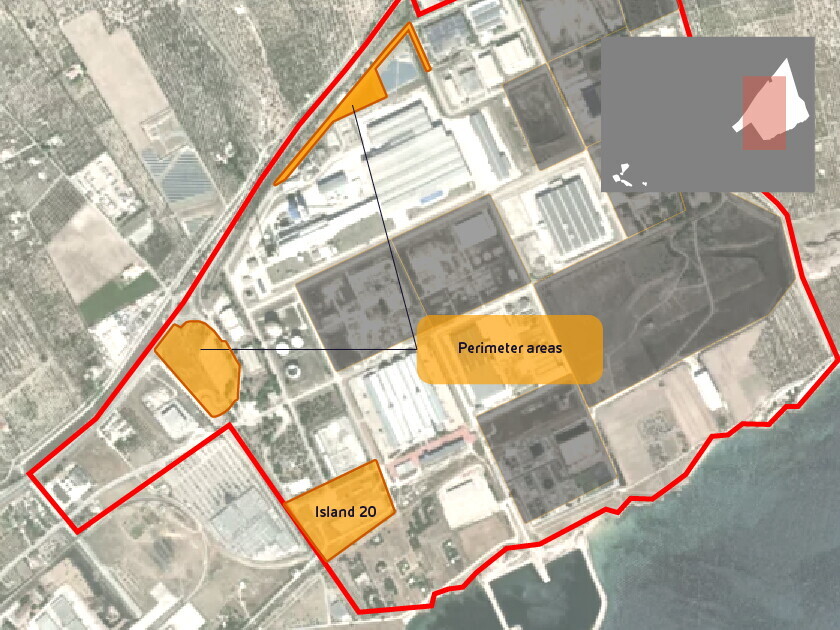
Project approved
Projects approved
Operative soil remediation project on Island 5 approved by decree in 2020.
Operative soil remediation project for Island 9 approved by decree in 2019.
Operative soil remediation project for Island 14 authorised by decree in 2019.
Operative soil remediation project for Island 16 authorised by decree in 2019.
Operative soil remediation project for Island 17 authorised by decree in 2019.
Following the completion of the activities required by the respective operative reclamation projects, we are pending certification for Islands 5 and 14, Island 17 and Island 9 have already been granted the certification from the Province respectively on September 2024 and November 2025.