
Our environmental interventions in Brindisi
At the multi-company site, we carry out environmental recovery interventions in areas we own and on behalf of other companies.
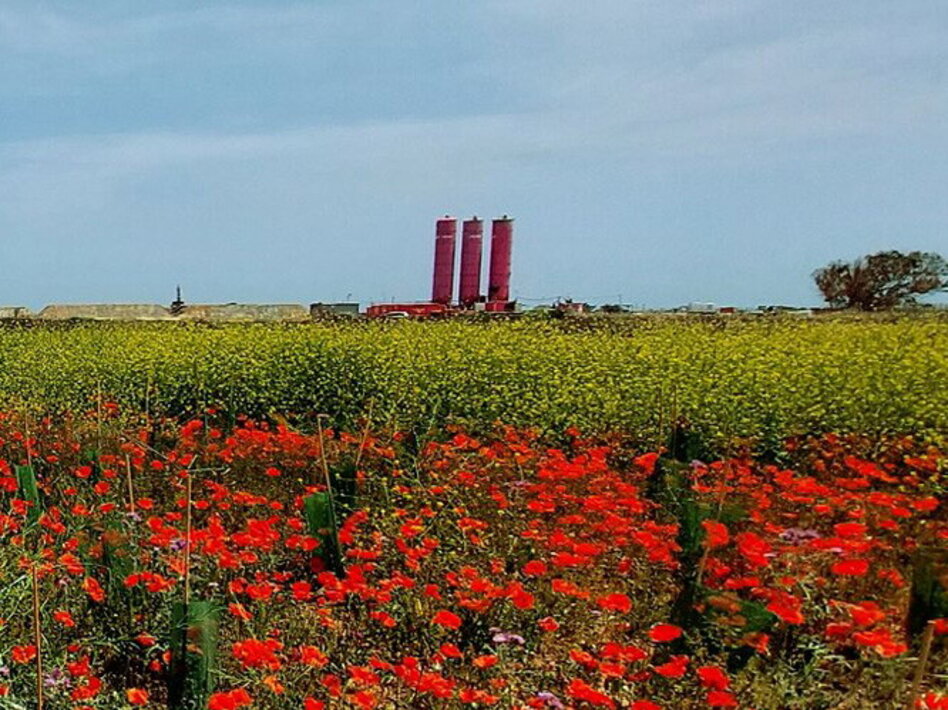

Our commitment for the recovery of a site that played a key role in the Italian industrial history
The multi-company petrochemical plant, which spreads over 450 hectares, falls within Brindisi’s Site of National Priority, which also includes the Regional Natural Reserve of Punta della Contessa salt pans. The industrial site was established in 1962, as part of a broader industrialisation project in Southern Italy, with the launch of Montecatini’s (later renamed Montedison) cracking and chlor-alkali facilities, followed by polyethylene, polypropylene, butadiene, dichloromethane/CVM/PVC and polyurethane intermediate production at a later stage. Starting from the early 1980s, the plants were gradually transferred to EniChimica, and in 1991, after the Enimont operation, all of Montedison residual activities were transferred to Enichem. Eni’s management, which was a public company at the time, ensured the continuity of the site, as part of the rescue and relaunch operations of sectors that were strategic for the Country at that time.
The first environmental interventions date back to 1999, when Enichem undertook the reclaiming of the areas inherited from Montedison, and of those that were transferred over the previous decade to Dow, Polimeri Europa (Versalis) and EniPower. At the present time, in the Brindisi plant, where Versalis, Enipower, Basell, and Chemgas are present, as Eni Rewind we manage the soil and groundwater environmental remediation activities on the various inherited areas, both inside and outside the petrochemical plant, as well as environmental activities on the areas belonging to the co-located companies’, on their behalf. As of 31 December 2025, we had incurred environmental costs amounting to around €313 million for our areas. Part of the remediated or non-contaminated areas have been made available for the construction of Plenitude’s photovoltaic plants.
Brindisi: key elements

Sustainable technologies for soil remediation
In Brindisi, we adopt sustainable and efficient solutions such as Soil Vapour Extraction (SVE), which enables to extract vapours from unsaturated soil for subsequent treatment.

Circular solutions for water safeguarding
The groundwater regenerated through a reverse osmosis process is demineralised and subsequently reused within the site, reducing the withdrawal of water resources from nature.

Agreement with the authorities to requalify the Micorosa area
In 2014, we signed a public-private programme agreement with the Municipality of Brindisi and the Puglia Region for the permanent safety measures of the Micorosa area and surrounding areas.
Brindisi at a glance
 Location: Italy, Puglia
 Start of the environmental interventions: 1999
Origin of Eni Rewind areas
Brindisi past and present
Site history
Beginning of the environmental interventions
Enichem (now Eni Rewind) begun remediation interventions on the areas inherited from Montedison and those sold over the previous decade to Dow, Polimeri Europa (Versalis) and Enipower.
Transfer of productive assets
Enichem first sold its dichloroethane, VCM, and PVC production, followed by nitrogen and polypropylene, and finally its residual MDI and butadiene production lines.
Eni acquired the Montedison group’s assets
Starting from the early 1980s, the site has been part of industrial rescue operations: Montedison's assets have been progressively transferred to EniChimica, Anic, Enimont, and Enichem.
Production development of plastic materials and their derivatives
Over the years, polyethylene, polypropylene, butadiene, dichloroethane, vinyl chloride monomer (VCM), polyvinyl chloride (PVC) and intermediates for polyurethane production was added.
The petrochemical plant is founded
With the launch of Montecatini’s (later renamed Montedison) cracking and chlor-alkali facilities, Brindisi’s petrochemical plant was established.
Our activities at Brindisi
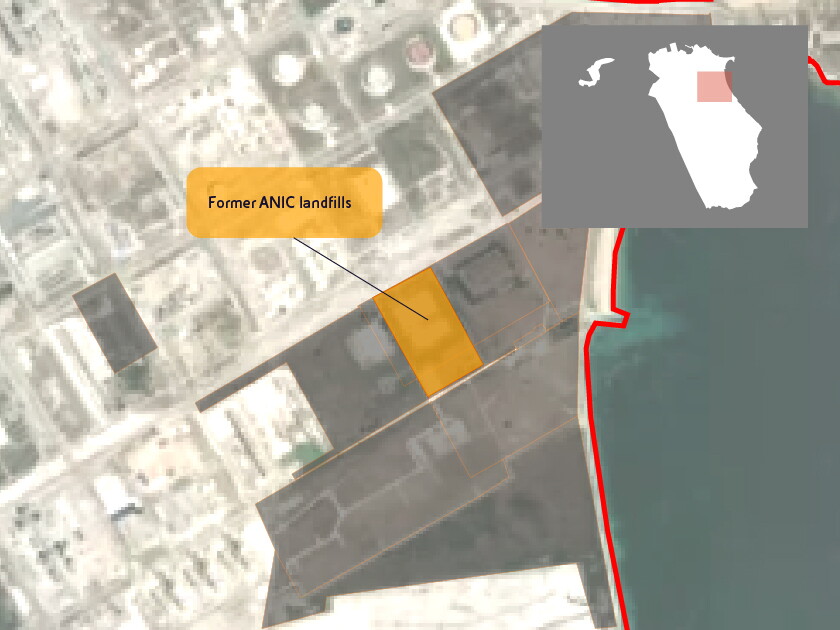
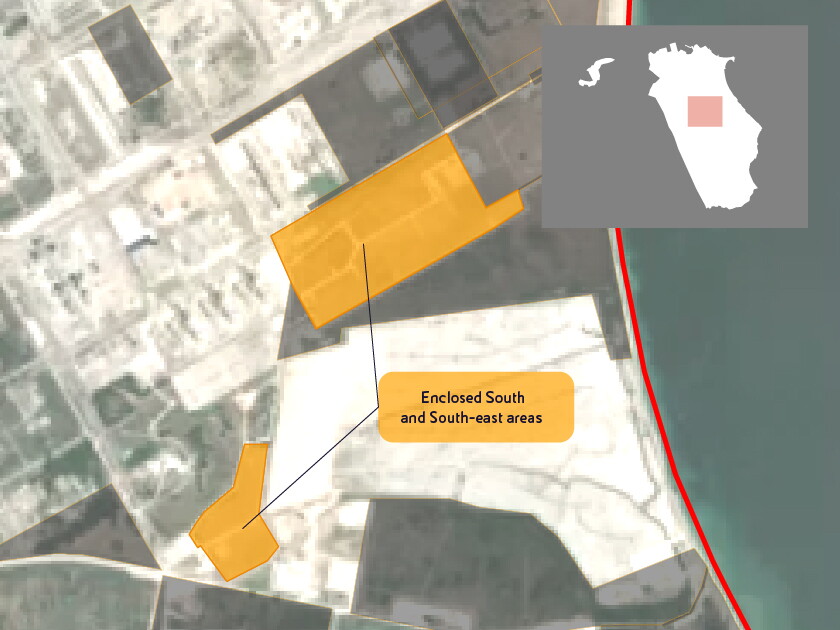
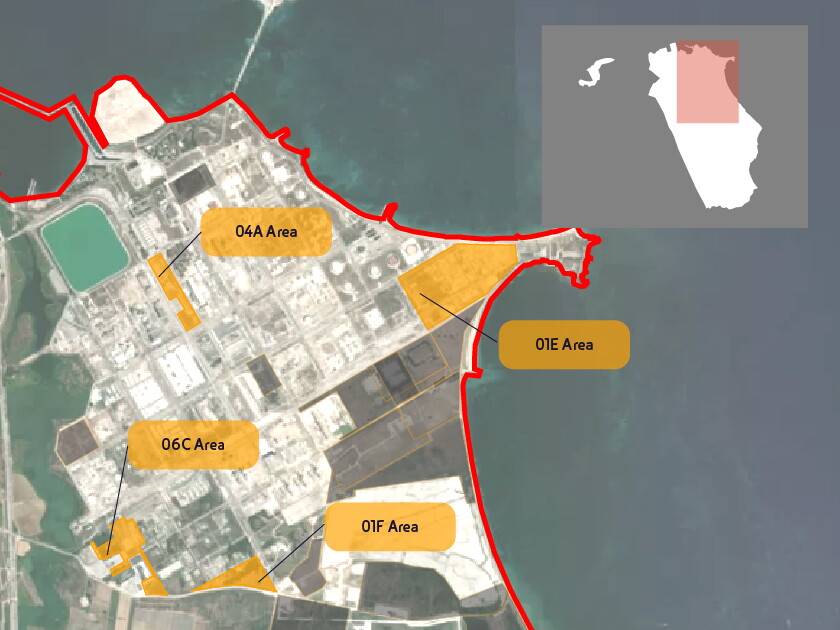
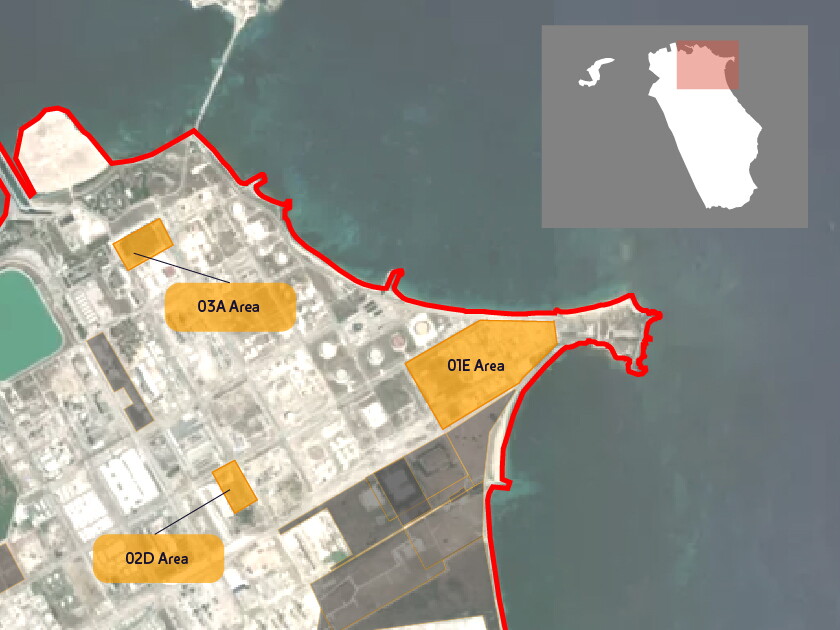
At the Brindisi site, we manage environmental remediation interventions in the areas under our ownership, both inside and outside the petrochemical plant, as well as those under a mandate from other companies based there. Regarding the internal areas, we have completed the remediation of the former Anic landfills and of the Enclosed South and South-east areas, while the remediation of the remaining areas is divided into three distinct environmental procedures: the first, already approved, involves excavation, disposal, and capping, while the other two, one currently in the design phase while the other is awaiting approval, include solutions such as excavation, capping, and Soil Vapour Extraction (SVE), a technology that extracts vapours from unsaturated soil for subsequent treatment.
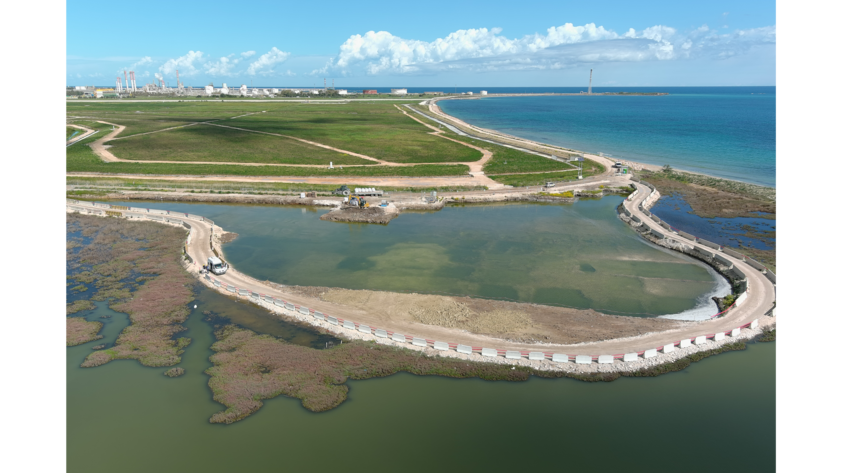
The activities in the external areas, covering the Micorosa area, the Protected Oasis, and a portion of macro-area E, are completed. The permanent soil safety measures (MISP) in the Micorosa area were carried out in collaboration with local authorities under a public-private agreement with the Municipality of Brindisi and the Puglia Region for the coordinated carrying out of the activities. The remediation of the "Protected Oasis" area was also completed, with the removal and disposal of over 70,000 tonnes of anthropogenic material, which made it possible to redevelop a natural habitat for migratory birds and Mediterranean flora. In the external E area, we have completed the environmental interventions and are awaiting certification for the remediation. We have also finalised the demolition of the P17 industrial warehouse, of the fuel facilities, of Enipower’s plants, and of some further unused buildings. The demolition of the so-called P27 methyl diphenyl isocyanate storage facility is currently underway. Once the decommissioning is finalised, the area will be made available for new development initiatives.
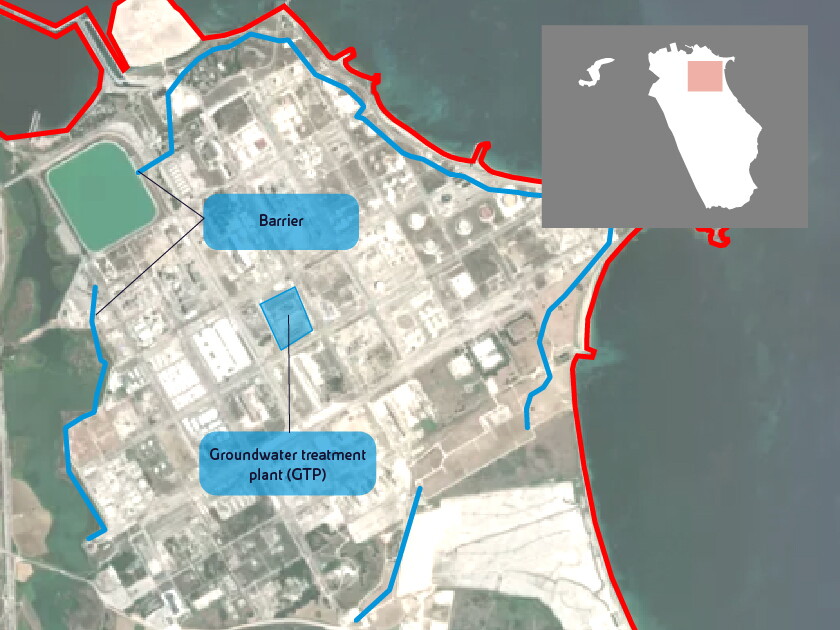
For groundwater remediation, a hydraulic barrier system with 76 wells is active, which sends the pumped water to the treatment plant, recovering approximately 50% of the treated water for reuse in industrial processes, therefore minimising the withdrawal of natural water resources. The project also includes the installation of Multi Phase Extraction (MPE) modules and other bioremediation technologies to accelerate groundwater remediation.
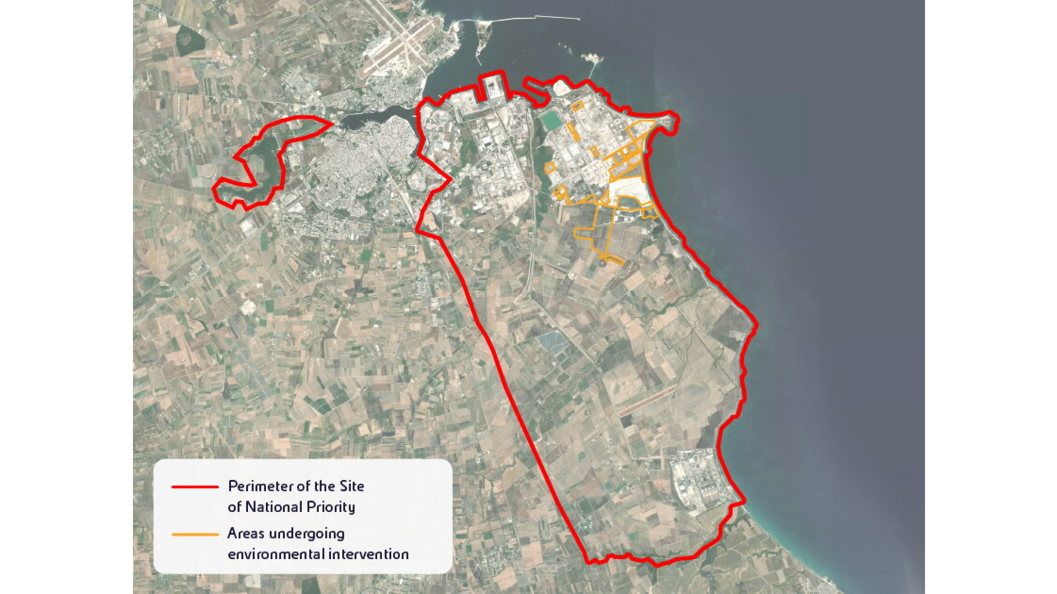
The Brindisi Site of National Priority
The Brindisi Site of National Priority was established by law 426/1998 and defined by decree in 2000. It extends over 5,696 hectares of land.
Our contribution to the requalification of the Micorosa area
The Micorosa area, located outside the multi-company Brindisi plant, was used between the 1960s and 1980s for the disposal of industrial waste from Montedison's production cycle. We own a 36-hectare portion of the area which borders the landfill, while the remaining 48 hectares which comprise the landfill are managed by the Municipality of Brindisi in place of the obliged entity (Micorosa company). In 2014, we signed a programme agreement with the Municipality of Brindisi and the Puglia Region for the coordinated implementation of permanent safety measure interventions at Micorosa and our surrounding areas. The private share of the project included the realisation of a perimetrical physical containment, the installation of a pumping wells system, the relocation of the Pandi Canal bed, and the realisation of forestry engineering works. In 2024, we made our groundwater treatment plant (GTP) in the petrochemical site available to replace the Micorosa treatment plant, which was originally going to be built as part of the public share of costs. All the interventions included in the project have been completed. We have also taken charge of the post-construction management, assigned by project to the public counterpart, which includes water pumping and treatment, maintenance and monitoring activities.
Achievements and highlights
Status of the environmental process
The administrative procedure for environmental interventions in the areas owned by Eni Rewind has concluded with the issuance of ministerial decrees for all the remediation projects submitted.
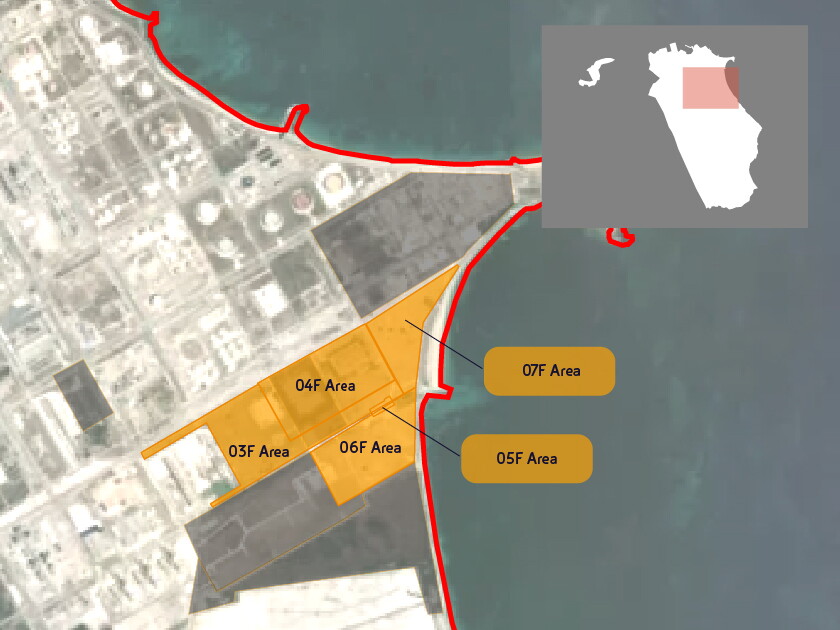
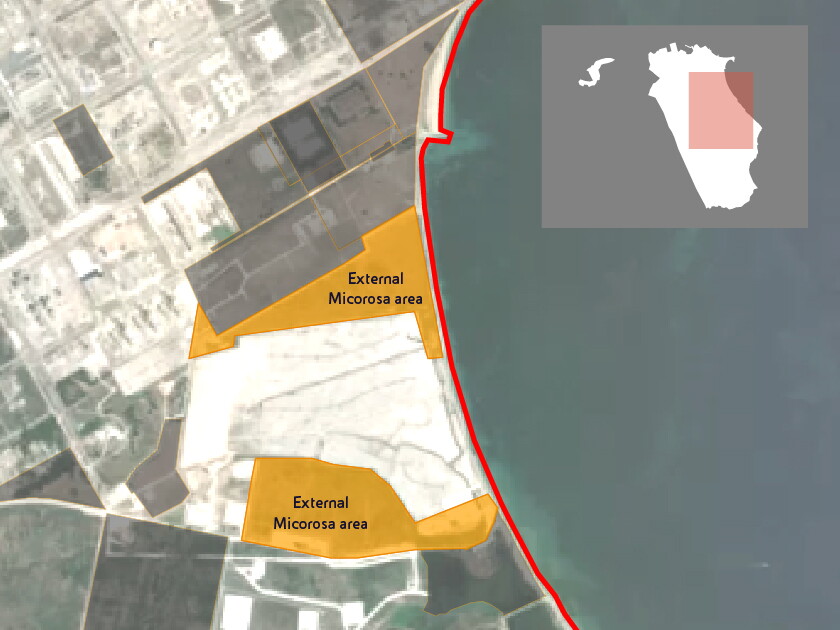
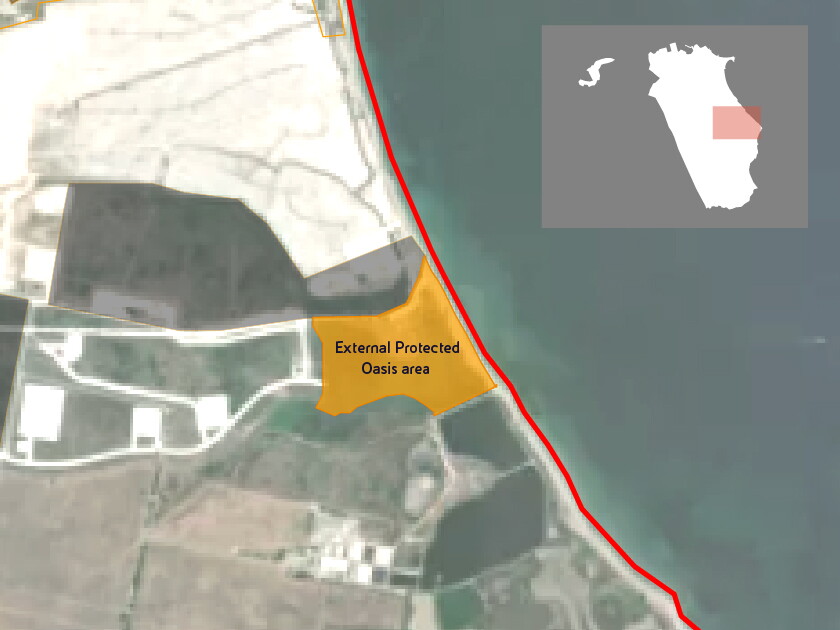
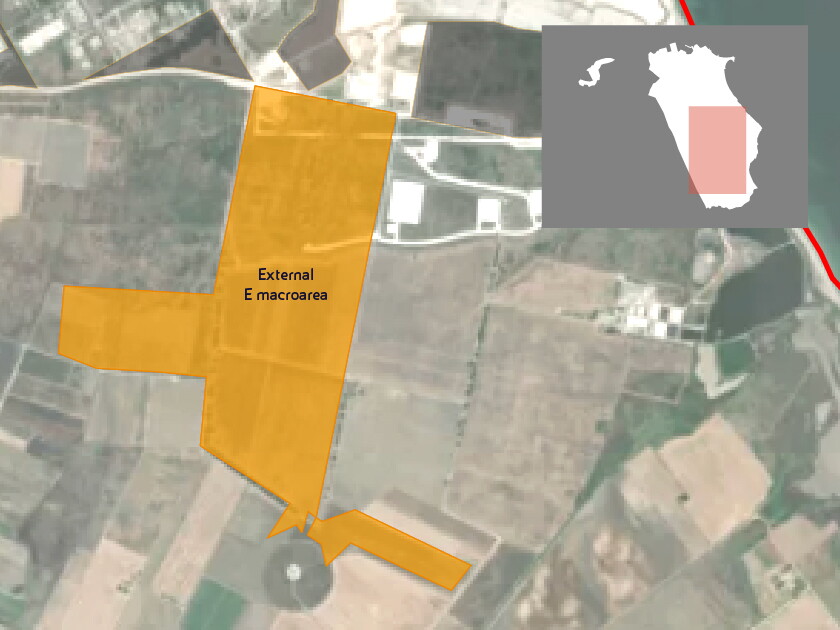
Project approved
Final groundwater remediation project for the multi-company site approved by ministerial decree in 2016.
Variant to the remediation project approved in 2023.
Project approved
Plan for landfill requalification approved by the Province of Brindisi in 2019.
Cognizance of the requalification interventions completion issued by the Province of Brindisi in 2019.
Project approved
Remediation project for landfill permanent safety measures approved by resolution of the Municipality of Brindisi in 1999. We are awaiting certification for completed remediation.
Project approved
In the designing phase
Project undergoing preliminary investigations
Operative remediation project submitted in June 2025, currently under preliminary investigations.
Project approved
Project for safety measures and permanent remediation of part of the Eni Rewind External Areas authorised by ministerial decree in 2016.
Variant to the remediation project for sending groundwater to Eni Rewind’s treatment plant approved in 2023.
Project approved
Project approved
Operative remediation project for external areas – Macro-area E, approved by decree in 2022.
Variant to the remediation project approved in 2024.