
With bioremediation, contaminated soil has a new lease of life
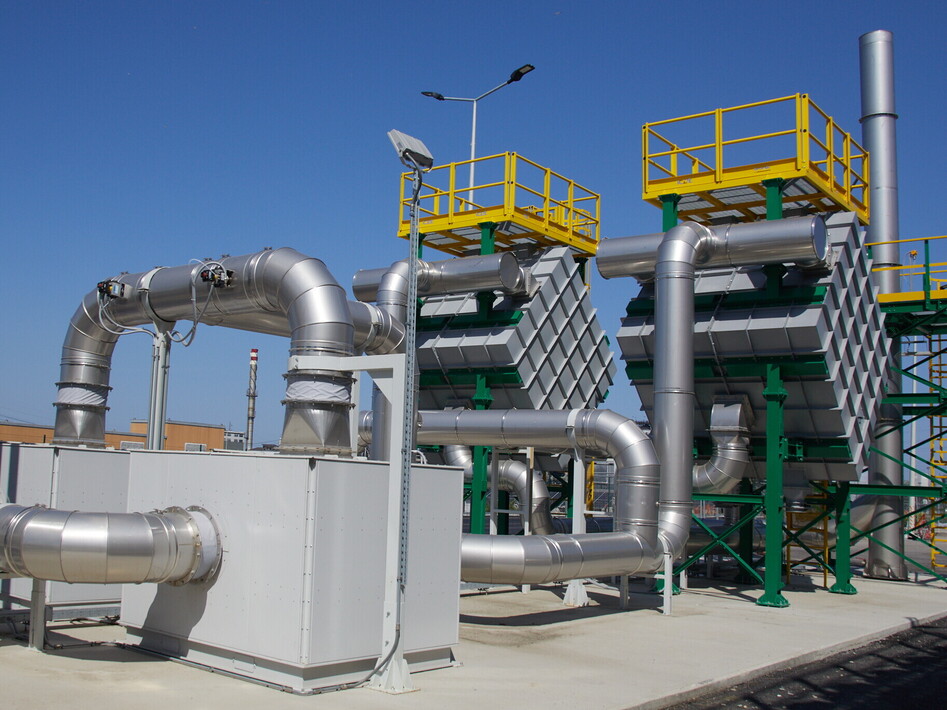

Recovering contaminated soil gives resources new value while reducing land consumption. This is what we aim for at Ravenna with our bioremediation plant, which can process up to 80,000 tonnes per year of contaminated soil from remediation activities.
The process is based on biodegradation, a technology that harnesses microorganisms found typically in soil. The latter is arranged in special piles called biopile and regularly supplied with oxygen, nitrogen, and phosphorous through dedicated drilled pipes. The controlled provision of oxygen and nutrients supports bacterial activity, which rely on hydrocarbons as food source thus progressively reducing contaminant concentration.
Along the bioremediation line, the plant has a section dedicated to the mechanical treatment of materials, which undergo separation, shredding, sorting, and homogenisation. Once turned into gravel and pebbles, they are ready to be used again.
This process is a practical case of circular economy, as it turns waste into a valuable resource while reducing landfill disposal and supporting reuse.
